News

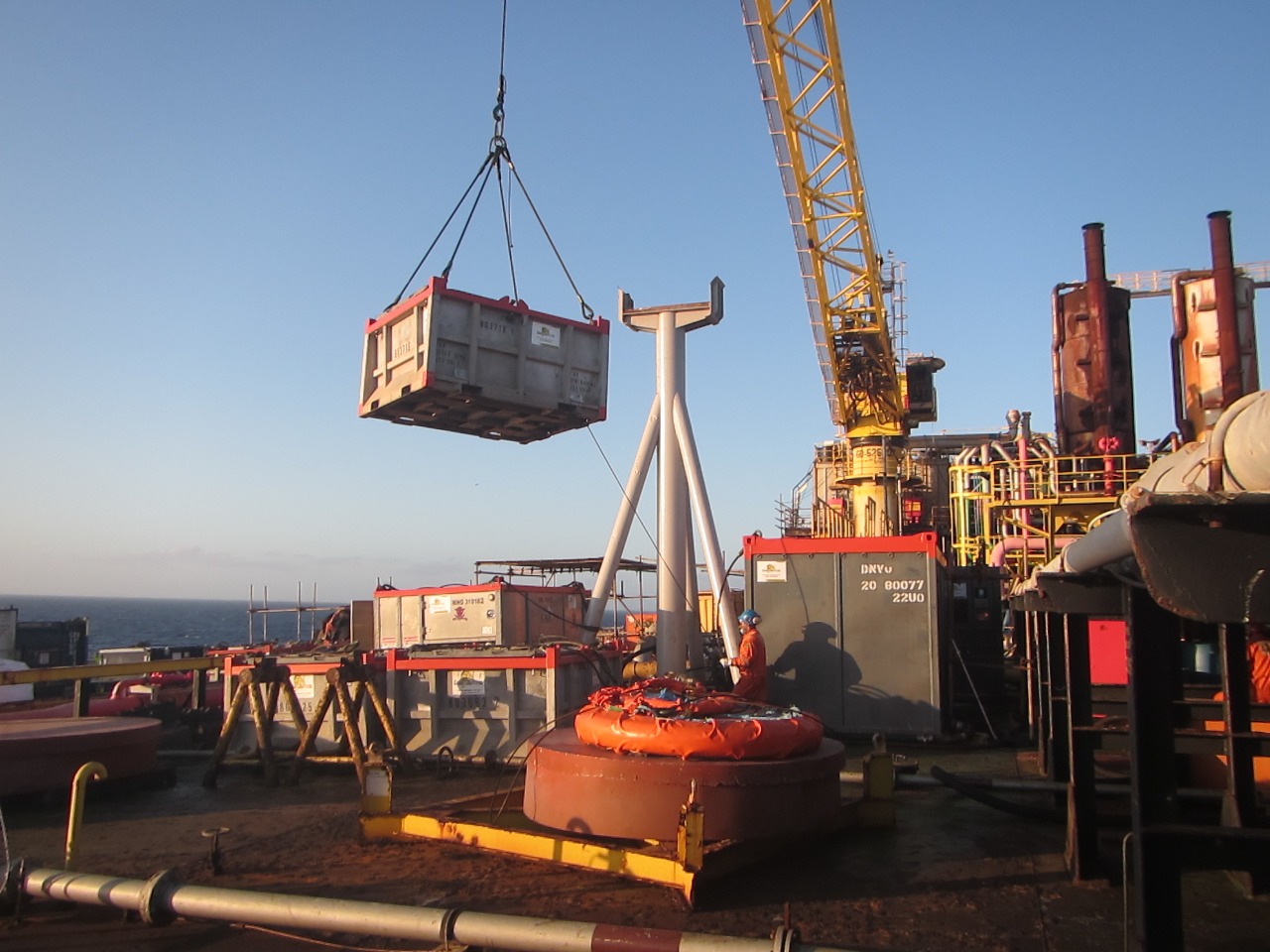
Tank Cleaning Brazil FPSO

Tank Cleaning with the Automated MudHog III System

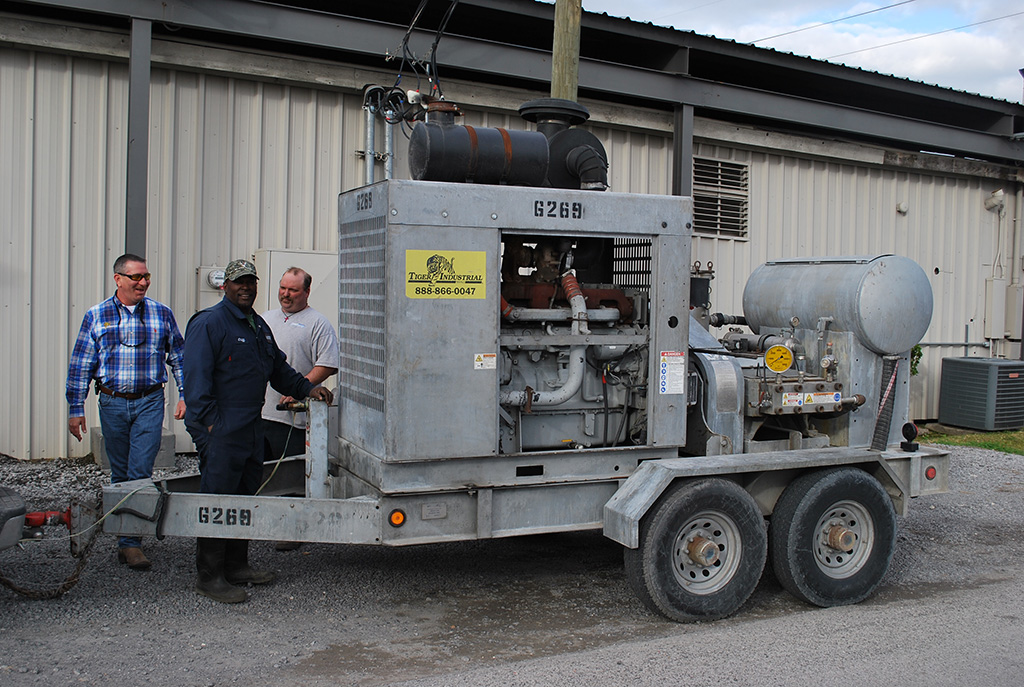
CASE STUDY Tank Cleaning with the Automated MudHog System Home / CHALLENGE Our clients required a system that would clean portable containers used in drilling and production programs. TIGER’S SOLUTION The MudHog III Automated Cleaning System, is an innovative process for cleaning drilling and production containers. Features and Advantages of MudHog III System Eliminates extensive man-hours in confined spaces Cost effective – performed at conventional contract rates Wash water disposal cost greatly reduced Portability of unit – clean at any designated waste transfer station Creates a safe job site work environment Reduces manpower Uses less equipment Saves money RESULTS The efficiency of the MudHog III System consistently reduces personnel time in confined spaces while using less wash water in cleaning process. Cleaning timeline for MudHog III. process compares favorably with conventional cleaning processes. Value is created for our customers through increased operating efficiencies in automated cleaning versus labor-intensive conventional cleaning processes. The smaller size is excellent for cleaning smaller tanks and allows for even better portability to remote locations. Our sister company, PMI, has been using the original MudHog System as its primary method for cleaning mud tanks for over 4 years on over 200 marine supply vessels and barges for over 15 different customers, including four major oil & gas producers. Eliminated the use of a backhoe and operator by utilizing the processing plant’s incorporated screw conveyor and piping configuration Reduced the amount of trucking and travel to and from wellsite Reduced the possibility of HSE issues associated with lifting and hauling sack material SHARE THIS CASE STUDY Read Our Latest News News & Articles Subscribe For Updates Newsletter Stay connected with our latest news and case studies.
Read More
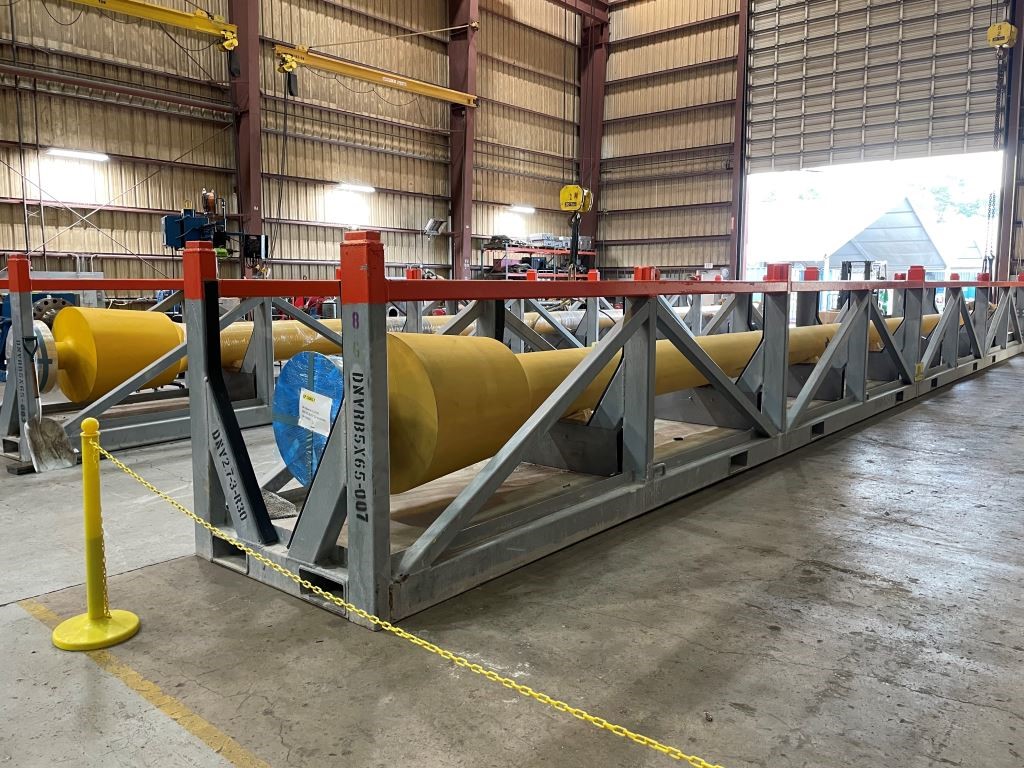
DNV-2.7-3-Riser-Basket-Hunting-Energy-Chevron-Achor-80ft-Flex-Joint-1.jpg

DNV Offshore Riser Basket Design

CASE STUDY DNV Offshore Riser Basket Design Home / Tiger’s in-house engineering team, led by Eric Marcel, designed and manufactured this DNV Offshore Riser Basket for an international oil major. The basket measures at 65′ x 5.5′ x 6′ and has a max gross weight of 100,000 lbs.  CHALLENGE Design and manufacture a heavy duty all-purpose specialized riser basket for subsea construction, repairs and maintenance projects. blah blah blah TIGER’S SOLUTION When Tiger was tasked with this particular project, our engineering team set out to meet the client’s requirements with diligent precision. Our team designed the DNV Riser Basket to transport over length, bulky or multiple stacked units like riser joints, production riser joints & downhole tools that require a single lift for multiple items. A built-in drip pan is used to contain any residual fluid. It has stationary cribbing supports positioned throughout the length of the basket. Tie down ratchet straps are installed for securing the load in the basket. It is capable of being stacked when empty and lifted from 4-sides. Tiger’s specialized DNV Riser Basket does not require a spreader bar. SHARE THIS CASE STUDY Read Our Latest News News & Articles Subscribe For Updates Newsletter Stay connected with our latest news and case studies.
Read More
Oil-Spill-Emergency-Response-Services

Tackling the Tobago Oil Spill

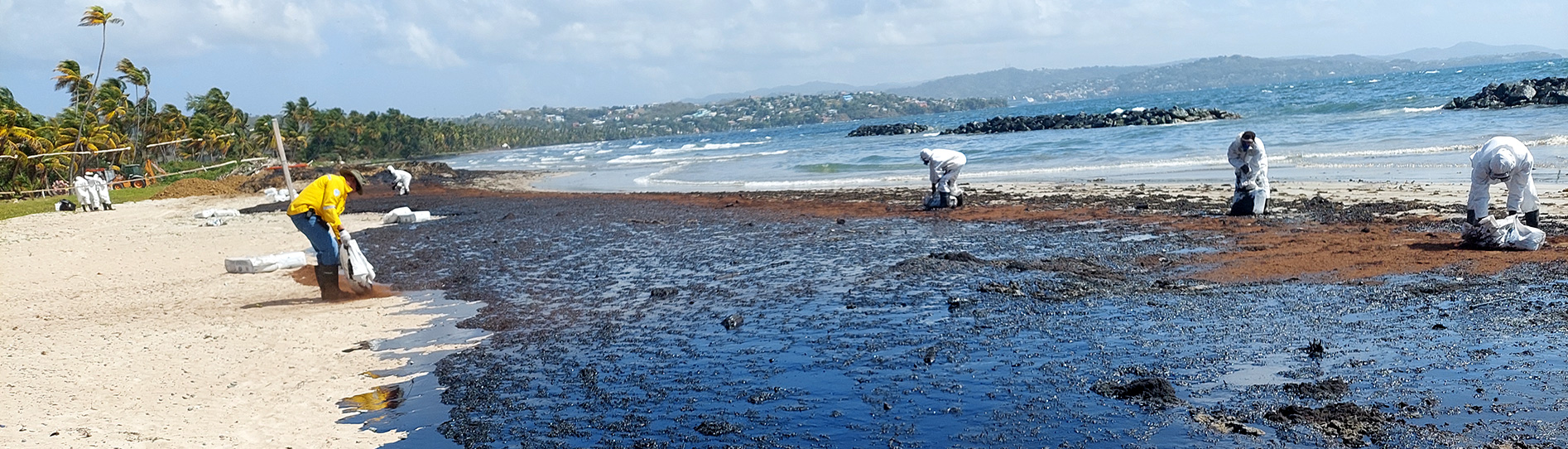
TACKLING THE TOBAGO OIL SPILL Lessons learned & recommendations On February 7, 2024, Tiger Tanks Trinidad responded to a critical environmental incident when the “Gulfstream” barge ran aground and subsequently overturned off the southwestern coast of Tobago. This unfortunate event resulted in a substantial release of hydrocarbons into the sea, impacting a significant stretch of the Tobago shoreline. Our dedicated team swiftly mobilized to manage the cleanup, addressing the diverse and challenging waste generated by the spill with effective and sustainable strategies. RESPONSE EFFORTS Initial Challenges Proximity to Shoreline: The vessel’s proximity to the shoreline left us with little time to implement response plans. Equipment Mobilization: Mobilizing equipment from Trinidad presented significant logistical challenges due to the remote location of the incident. The task was further complicated by the timing, as the mobilization coincided with the weekend before Trinidad’s Carnival celebrations, a period when travel and accommodations were nearly fully booked. This added an extra layer of difficulty for our team, requiring swift and creative solutions to ensure timely deployment. Environmental Conditions: The spill occurred during the sargassum seaweed season, complicating the clean-up and waste management efforts.Key Actions Taken On-Site Training: Supervisors provided hands-on demonstrations for deploying absorbent booms and conducted training on various shoreline clean-up operations. Waste Management: Solid and liquid waste were meticulously categorized and stored in appropriate containers, such as Frac Tanks and Waste Skips, ensuring safe and efficient disposal. Equipment Deployment: Critical equipment, including ocean booms and sorbents were swiftly deployed to effectively contain the spill. WASTE MANAGEMENT AND CATEGORIZATION Waste Types and Disposal The cleanup process resulted in the generation of various waste types, including oily sand, debris, soiled PPE, and more. Each waste type was handled according to its nature. Disposal Options Oily Debris: Incinerated to minimize environmental impact. Non-Oily Debris: Disposed of in landfills. Recyclables: PET bottles and packaging materials were recycled. LESSONS LEARNED AND RECOMMENDATIONS Preparedness for Future IncidentsThis incident highlighted the critical need for robust spill response plans and the importance of having adequate resources readily available. Key recommendations include: Spill Modeling Data: Ensure that all facilities with potential spill risks maintain updated modeling data to accurately predict shoreline impacts and mobilization timelines. Community Involvement: Train local communities to effectively support response efforts in the event of similar incidents. Resource Management: Maintain a comprehensive resource list, including contacts for catering, medical support, security, and other essential services, to ensure rapid mobilization when needed. CONCLUSION Tiger Tanks Trinidad remains committed to providing efficient and sustainable solutions in the face of environmental challenges. The lessons learned from the Tobago oil spill will guide our future efforts to ensure that we are always prepared to “Make It Happen.”

Read More
Search
categories